
Artificial Intelligence Predicts Health Risks Using Sleep Data
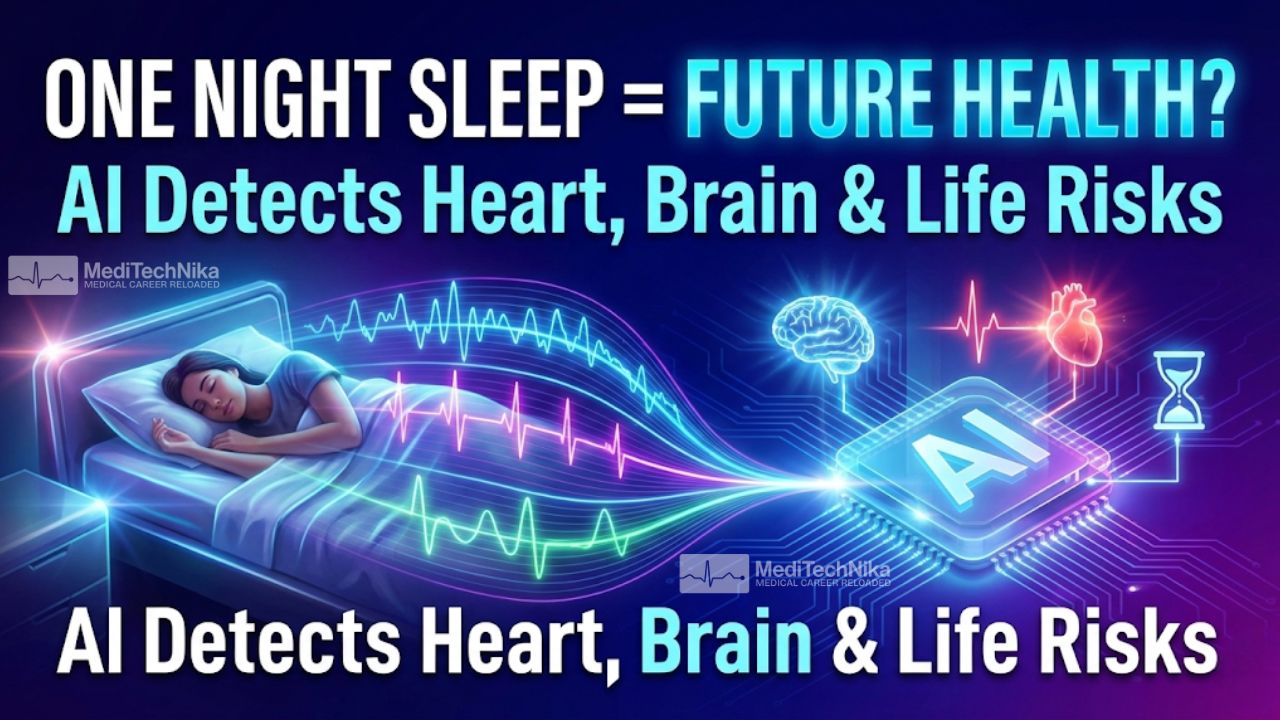
What if I say that your one night of sleep can help detect the risk of heart diseases, dementia, and early deaths? Yes, this is possible. Researchers now say this will soon be possible with the help of artificial intelligence that can scan the sleep data and detect the health risks before the symptoms even appear.
Artificial Intelligence Finds Powerful Risks in Sleep Data
Sleep studies, which are called polysomnography, are used to diagnose sleep-related disorders such as sleep apnea. During the tests, doctors track the activity of the brain, breathing patterns, heart rate, body motion, and eye movements.
These data were used only for basic sleep analysis until now, but researchers now say that artificial intelligence is helping to unlock the deeper value of it by finding and detecting the patterns of sleep that are not visible to the human eye.
Artificial Intelligence Predicting Disease Through a Single Night’s Sleep
In this study, scientists trained the artificial intelligence systems by using more than half a million hours of sleep recordings that were collected from patients. The system was checked for daily tasks like checking the sleep stages and measuring the severity of sleep apnea. Here, the AI systems gave better outcomes than those of the already existing medical tools.
The artificial systems were able to predict more than 130 different health diseases risk, such as:
- Heart attacks
- Heart failures
- Stroke symptoms
- Dementia
- Chronic kidney diseases
- Irregular rhythms of the heart
- Risk of deaths
For some cancers, mental health conditions, pregnancy-related complications, and circulation disorders, predictions were accurate over 80% of the time.
Why Sleep Reveals So Much About Health?
Doctors have long known that poor sleep is linked to chronic illness, but this research shows how deeply sleep reflects overall health. Every heartbeat, breath, and brain signal during sleep carries clues about the body’s condition.
By combining these signals, artificial intelligence can identify early warning signs that may not show up during routine medical checkups.
What This Could Mean for Future Healthcare?
Although this technology is not yet used in everyday medical practice, researchers believe artificial intelligence could soon help doctors:
- Detect disease earlier
- Identify high-risk patients
- Reduce the need for invasive tests
- Improve long-term health monitoring
Scientists are now working to better understand exactly which sleep signals are linked to specific diseases. They are also exploring whether data from wearable sleep devices could further improve results.
Another Medical Breakthrough: A Simple Blood Test for Alzheimer’s
In a separate study, researchers reported progress on a finger-prick blood test that could help detect Alzheimer’s disease.
By placing a few drops of blood on a card and allowing it to dry, scientists were able to measure Alzheimer-related biomarkers with high accuracy. The results closely matched traditional blood and spinal fluid tests.
This approach could make testing easier, cheaper, and more accessible, especially for people in remote areas or those unable to undergo complex procedures.
Why Do These Findings Matter?
Together, these discoveries show how everyday biological signals – like sleep patterns and small blood samples – may play a major role in future healthcare.
With the help of artificial intelligence, doctors may soon be able to spot serious health risks earlier than ever before, giving patients more time to act and protect their health.